


Seville Route, City of Opera
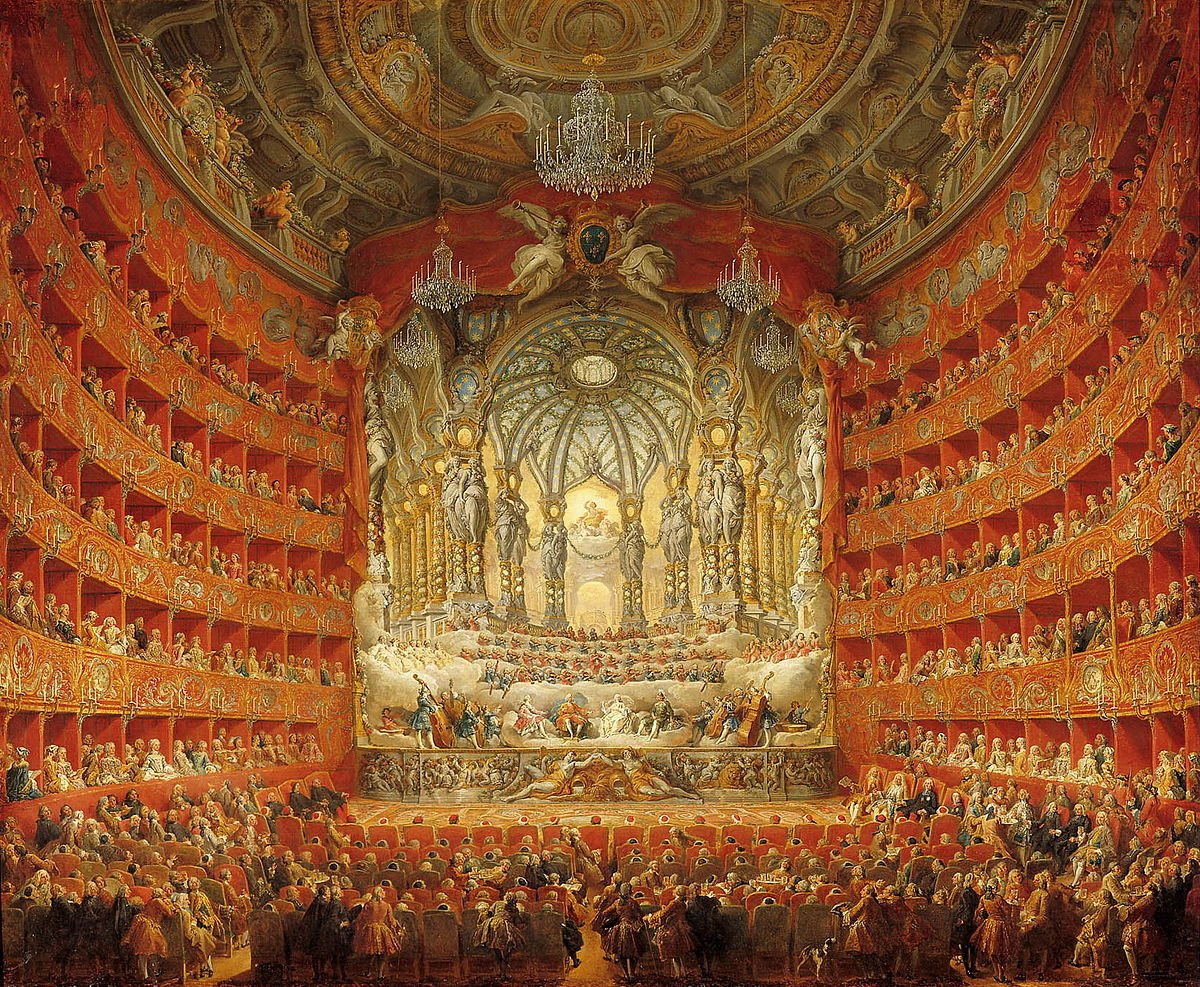
The city of Seville is present in more than 100 operas, Some of them are universal references that have carried the city's name beyond its borders for centuries, thanks to authors such as Mozart, Beethoven or Bizet.
All these works have endowed Seville with a international fame which has made it one of the most frequently featured cities in the operatic repertoire of old Europe.
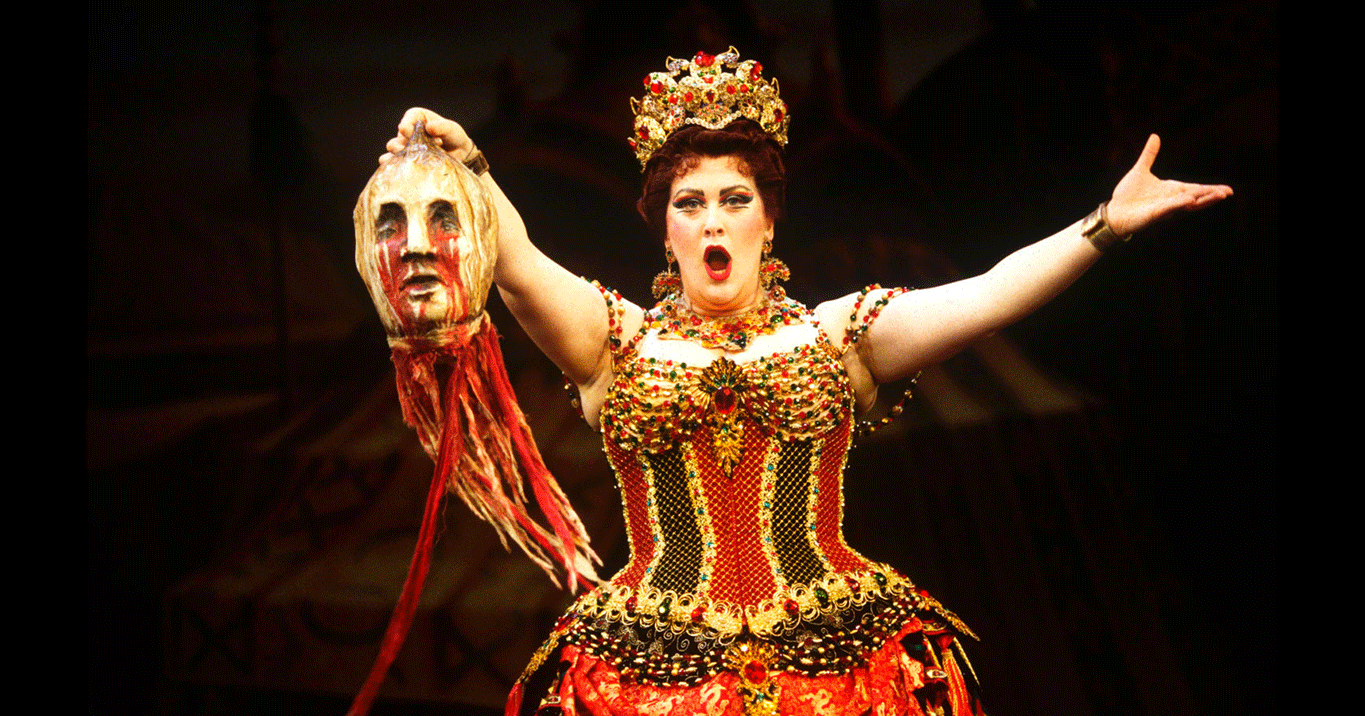
Carmen, The Barber of Seville, Don Giovanni, The Favourite, Fidelio, The Marriage of Figaro, The power of destiny…are some of the operas inspired by Seville with locations that are real in some cases and evoked in others, which the visitor can explore following these itineraries.

Discover the great classics of opera
-
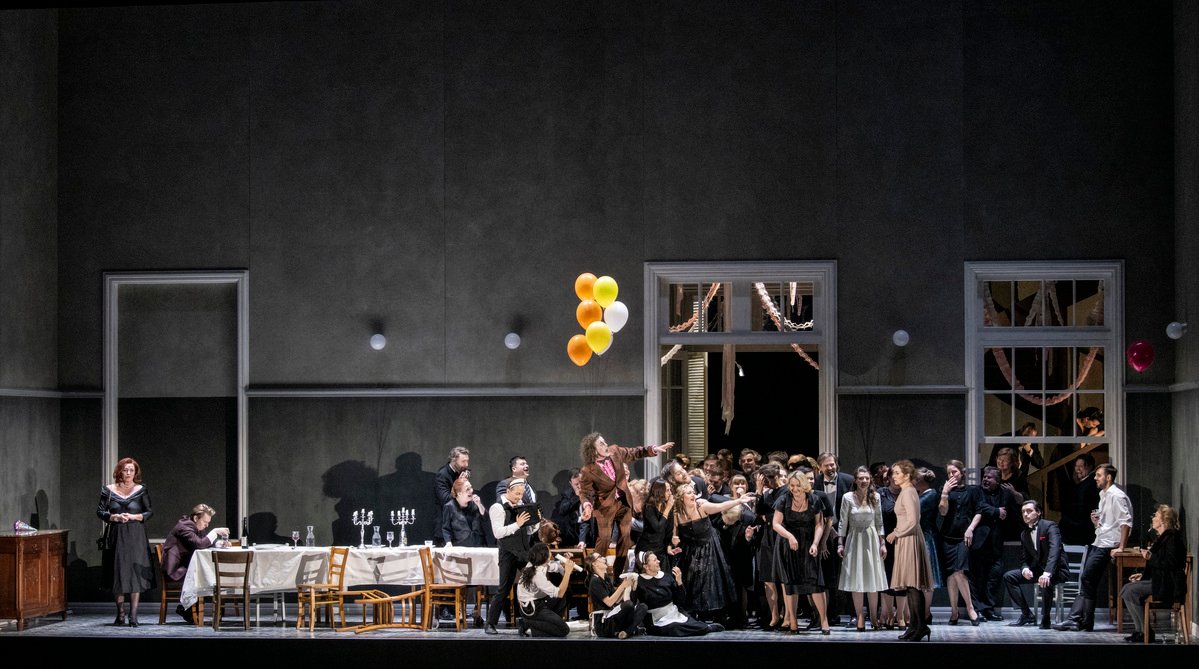
The Marriage of Figaro (1786) – WA Mozart
It stands out for its sharp social criticism and the brilliant handling of the comedy Through sophisticated yet accessible music by composer Amadeus Mozart, it tells a story set in 18th-century Spain where love, jealousy, and infidelity are the driving forces of the plot and characters.
- Don Giovanni (1787) – WA Mozart
Another gem from Mozart where dbranch, comedy and melodrama to explore universal themes of desire and morality with music that captures the complexity of its characters. The Austrian composer categorized his work as opera buffa, with comic themes.
Route: Seville, stage of Opera
The Seville route, a stage for opera, divided into two itineraries, It is designed to offer the visitor a tour of all those physical spaces in the city that have been mentioned in the most representative operas inspired by Seville. Carmen, The Barber of Seville, Don Juan de Mañara, The power of destiny, Fidelio, Maria de Padilla and The Favourite.
First itinerary: Seville, stage of Opera
The first of these itineraries visits emblematic locations for Seville's presence in opera, such as the Old Tobacco Factory with its Old Prison, the House of Figaro, the Charity Hospital, the Royal Cavalry of Seville, or the current Triana Market, built on the site of the old St. George's Castle, all locations linked to as many operatic works.

Second itinerary Seville, stage of Opera
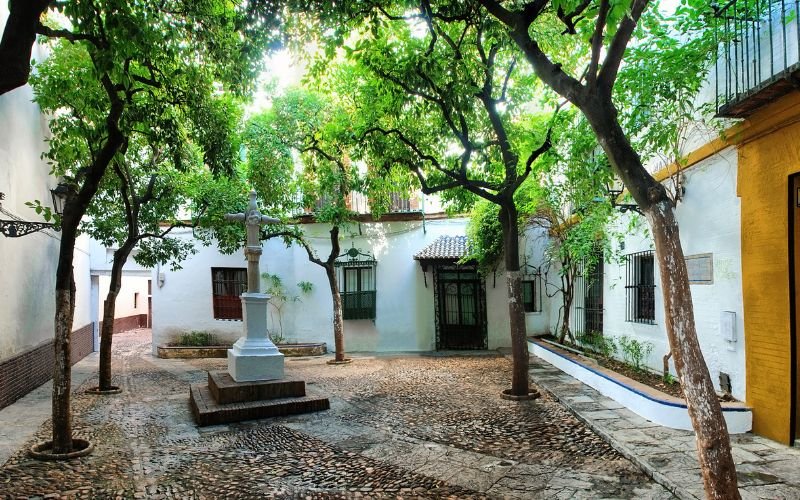
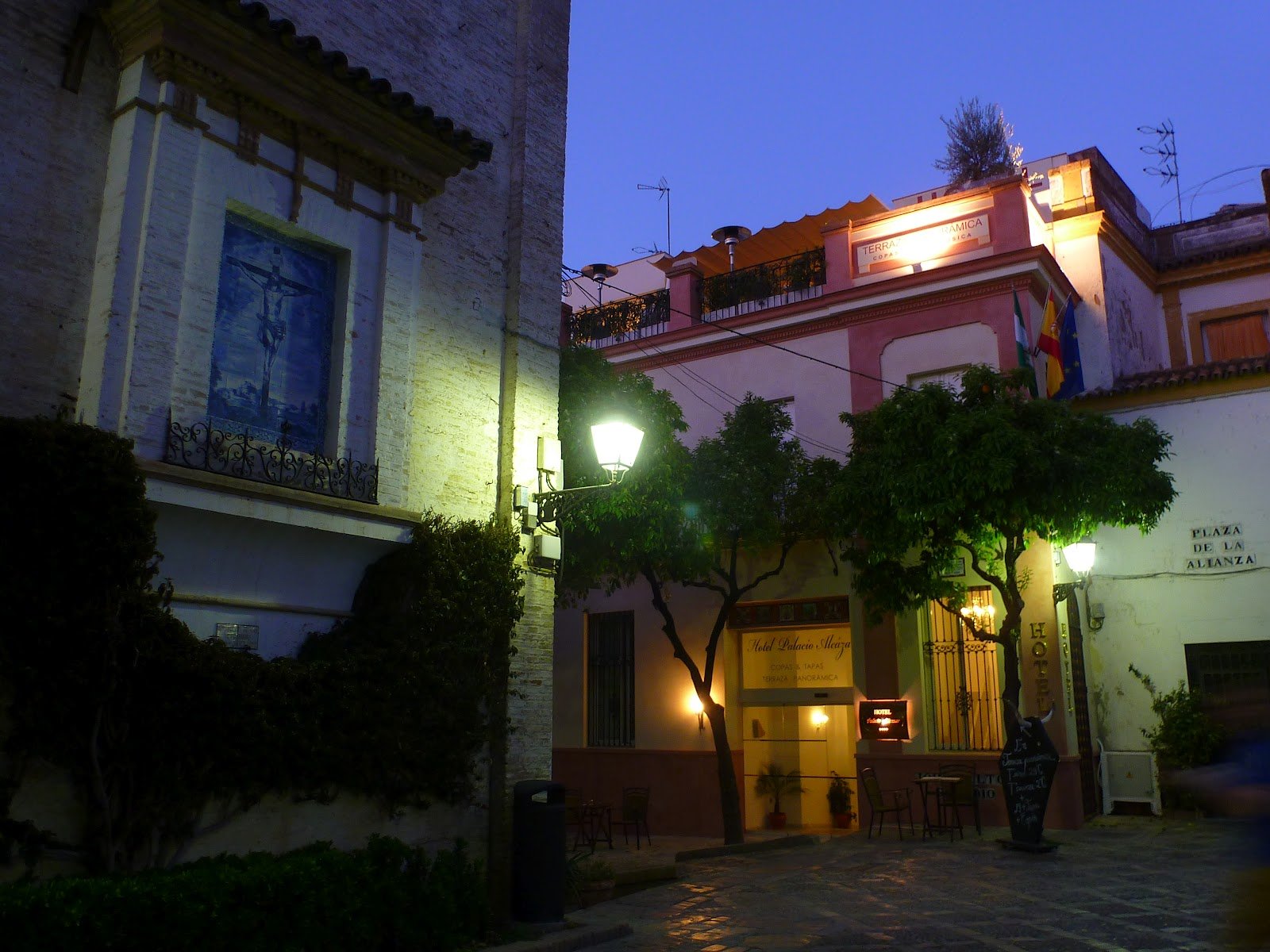
The second itinerary of this first route takes the visitor to other places scattered throughout the historic center of the city present in these works, such as the Alcázar, the Jewish Quarter, the Callejón del Agua, the Palacio de los Mañara, and even a proposed location for where they imagined Rosina's Balcony in the Santa Cruz neighborhood.
Old Tobacco Factory. Carmen, by Bizet. Occupied today by the University of Seville. Carmen worked as a cigar maker in this emblematic building.

Old Prison. Carmen, by Bizet. The protagonist of Bizet is directed in the fourth scene by Don José to the old prison located in the vicinity of the Tobacco Factory.
Santo Tomás Street. The Barber of Seville, by Rossini. In the magical setting of the Alcázar, the Archive of the Indies and the Cathedral, some authors place the house of Figaro.
Charity Hospital. Don Juan de Mañara, by Tomasi and Franco Alfano. This hospital was commissioned by Miguel de Mañara, a Sevillian figure associated with the Don Juan myth.

Maestranza bullring. Carmen, by Bizet. The Seville bullring is the stage chosen by Bizet to bring his most universal opera to a close.
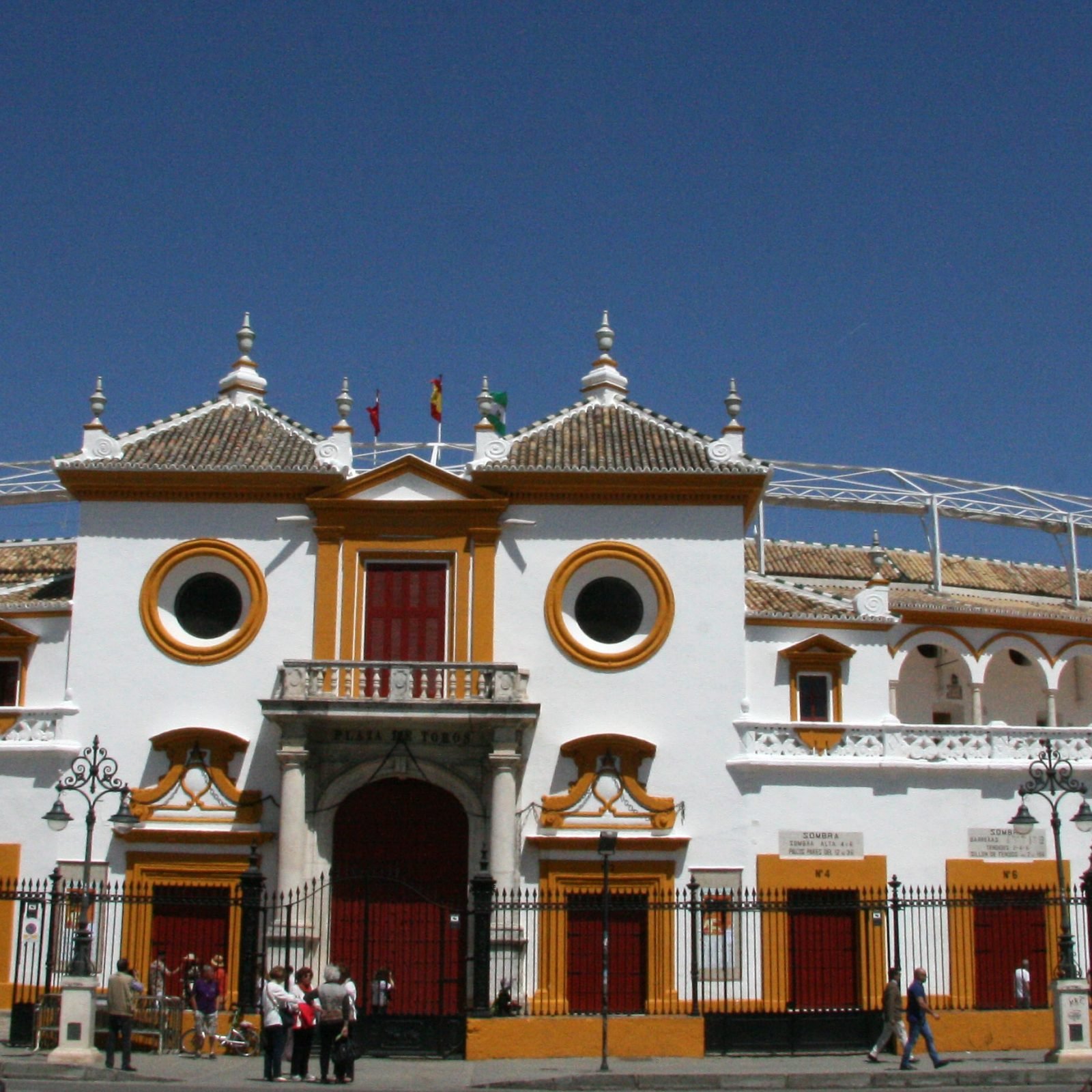
Old Bridge of Boats and Hilltop. The Force of Destiny, by Verdi. This area can be associated with this opera by Verdi based on the work of the Duke of Rivas, "Don Álvaro and the Force of Destiny.".

Old Prison of St. George's Castle. Fidelio, by Beethoven. In the Altozano square, in the current Triana market, stood the Castle of San Jorge, where Beethoven set the beginning of Fidelio.

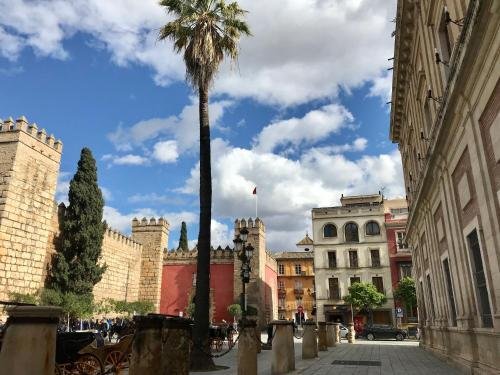
Royal Alcázar. Maria Padilla, by Donizetti. The protagonists of this work may have had a direct relationship with the Patio de Banderas of the Alcázar of Seville.

Courtyard of Flags (Royal Alcázar). The Favourite, by Donizetti. The protagonists of this work may have had a direct connection with the Patio de Banderas of the Alcázar of Seville.
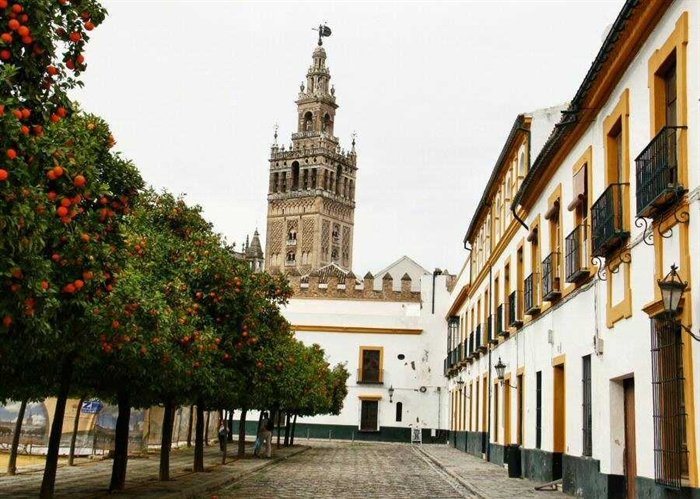
Jewish Quarter Street. Carmen, by Bizet. In this and other streets of the popular Santa Cruz neighborhood, gypsies like Carmen managed to outwit the security forces and escape unscathed.
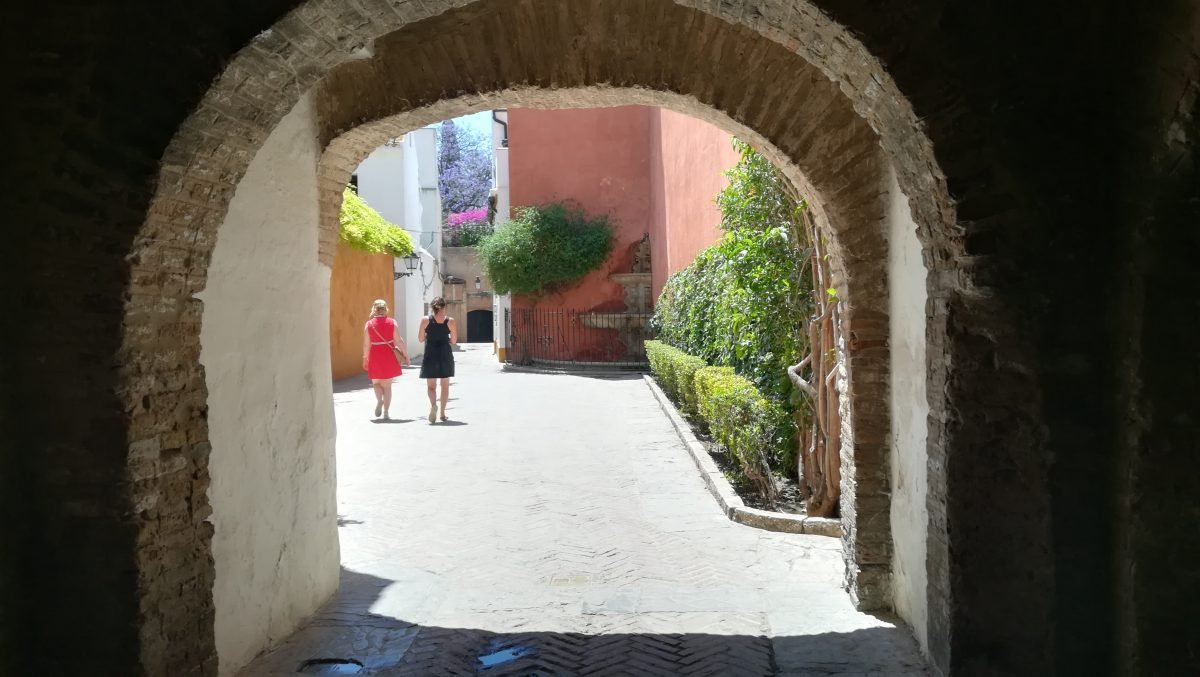
Water Alley. Carmen, by Bizet. In Bizet's opera, Carmen goes to have a chamomile tea at Lillas Pastia's tavern, which we could place on this street.

The Mañara Palace. Don Juan de Mañara, by Tomasi and Franco Alfano. In this location, the scenes of the works of the same name by these authors, Don Juan de Mañara, are situated.
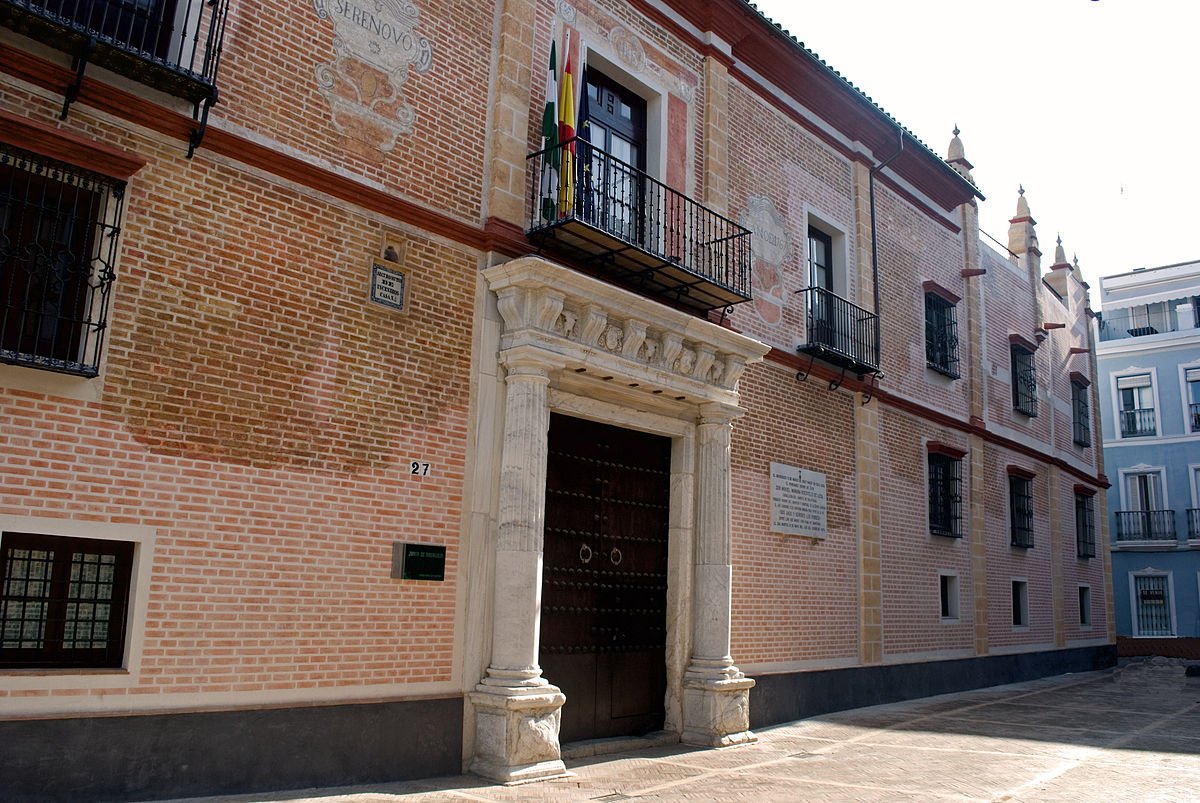
Rosina's balcony. The Barber of Seville, by Rossini. On Argote de Molina street, at the corner of Segovia street, we can imagine Rosina's balcony.

The excitement of opera in Seville
Would you like to explore Seville with a different perspective, discovering its most emblematic corners through the emotion of opera?
In Culturea Experience We invite you to experience a unique route where history, music and heritage merge into an unforgettable walk.
Book your experience at cultureaexperience.com And let yourself be carried away by the magic of Seville… like you've never heard it before.